

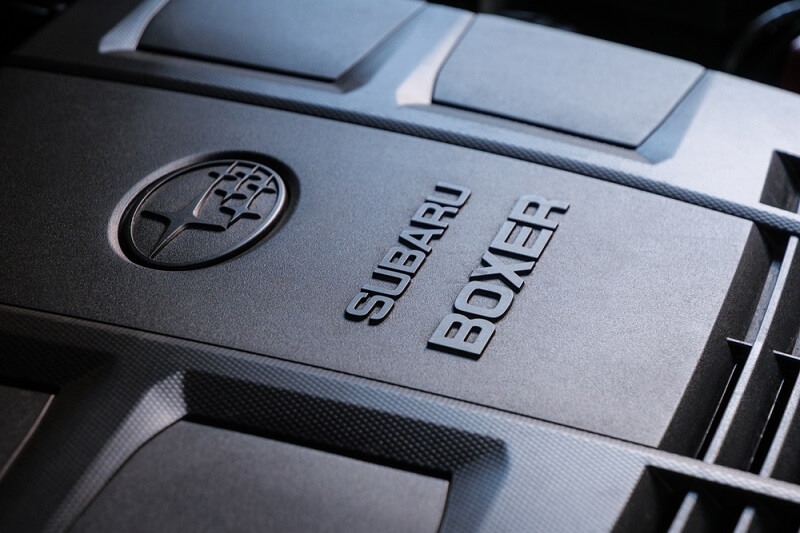
Subaru has built a reputation in the United States that goes beyond loyal fans and clever ads. It is about trust. When roads disappear, the weather turns ugly, or the trail gets unpredictable, Subaru vehicles tend to keep moving. At the heart of that confidence sits a unique powerplant. The Subaru boxer engine. This blog breaks down why that engine works so well off pavement, how it pairs with Subaru AWD off-road systems, and why so many drivers quietly call it the best off-road engine Subaru has ever committed to. We will talk about balance, traction, everyday usability, and a few real-world moments that make all the engineering talk feel real.
Before getting lost in specs, it helps to understand why this engine layout even exists. Subaru stuck with the boxer design while others moved on, and that stubbornness paid off.
The Subaru boxer engine sits flat, with cylinders opposing each other horizontally. Instead of stacking parts upward, everything spreads out sideways. That may sound like a small detail, but off-road, it changes everything.
A flat engine keeps mass lower in the chassis. When you hit ruts or rocks, the vehicle does not feel top-heavy. It feels planted. Think of carrying a heavy toolbox. It is easier when you hold it close to your waist rather than balancing it over your head. Same idea here.
This layout directly feeds into Subaru's off-road performance, especially on trails that twist and tilt without warning.
Another perk of the boxer engine advantages is balanced weight from left to right. Because the engine is symmetrical, the car does not favor one side. That balance becomes obvious when crawling over uneven ground.
You know what? Drivers may not talk about weight distribution at campfires, but they feel it. The steering stays calm. The suspension works evenly. There is less drama when one wheel lifts or sinks.
You may also like: How AI Improves Automotive Safety Features
Off-road driving is often about staying upright and composed, not about speed. This is where the low center of gravity engine design quietly steals the show.
Subaru vehicles hug the ground more than many rivals. With the engine sitting low, the body stays flatter when crossing bumps or angled terrain. That matters on forest service roads, desert tracks, or snowy access paths to ski cabins.
A lower center of gravity reduces body roll. Less sway means better tire contact. Better tire contact means more grip. It is a simple chain reaction that builds confidence.
Side hills are uncomfortable. Even experienced drivers tense up when the vehicle leans. A low center of gravity engine reduces that uneasy feeling.
Subaru drivers often say their vehicles feel calmer on slopes. That calm comes from physics, not magic. The boxer engine helps keep weight down low, making the vehicle less likely to feel tippy when angled.
The engine alone does not explain everything. Subaru AWD off-road systems work hand in hand with the boxer layout, creating a balanced package rather than a collection of parts.
Subaru uses a symmetrical all-wheel drive layout. The drivetrain runs in a straight line from front to back, centered in the vehicle. This design matches the symmetry of the boxer engine.
The result is smooth power flow. No awkward angles. No uneven stress. Power reaches all four wheels in a predictable way, which is critical when traction changes second by second.
Honestly, this harmony is why Subaru AWD off-road systems feel intuitive even to drivers who are new to trails.
Off-road driving rewards smoothness. Sudden power spikes can break traction. The boxer engine delivers power evenly, especially at low speeds.
This predictable response helps when easing over rocks, climbing loose hills, or navigating snow-packed roads. Instead of fighting the throttle, drivers can focus on steering and line choice.
Suggested Read: 2025 Buick Envista Review: Style, Performance, & Features
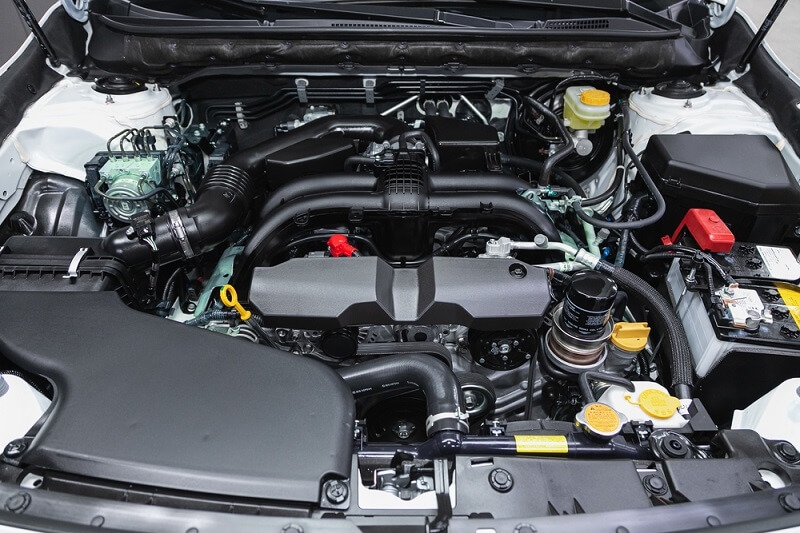
Engineering claims mean little without real-world proof. Subaru boxer engine designs shine when conditions get messy.
American landscapes offer everything from muddy Midwest trails to icy mountain passes. The boxer engine’s balance helps maintain traction in these mixed conditions.
Because the engine sits low and centered, weight stays evenly distributed over the tires. Combined with Subaru AWD off-road systems, this helps tires bite rather than spin.
It is not flashy. It just works. And that reliability is why Subaru vehicles are common sights at trailheads and snowy parking lots.
Flat engines allow better airflow around critical components. That helps manage heat during slow, demanding off-road driving.
Lower engine stress means fewer surprises. Subaru owners often rack up high mileage with minimal issues. When you are miles from pavement, that reliability feels priceless.
This long-term durability plays a big role in why many enthusiasts quietly label it the best off-road engine Subaru offers.
Not everyone wants a lifted rig or locking differentials. Subaru understands that off-road capability should blend into daily life.
Subaru vehicles transition easily from dirt to pavement. The boxer engine keeps vibrations low and handling smooth at highway speeds.
You can drive to work all week, then head into the woods on Saturday without changing anything. That flexibility appeals to drivers who want adventure without commitment to a single lifestyle.
Road trips. Weather swings. Weekend escapes. Subaru's off-road performance aligns with how Americans actually use their vehicles.
From snowy New England winters to Pacific Northwest trails, the boxer engine and AWD pairing deliver confidence without demanding expertise. It feels approachable, not intimidating.
That approachability is part of Subaru’s charm. The engineering serves the driver, not the other way around.
Also Read: Kia Niro Hybrid: Features, Performance & Efficiency Guide
The Subaru boxer engine excels off-road because it focuses on balance, stability, and real-world usability. Its flat layout creates a low center of gravity engine that improves control on uneven terrain. Paired with Subaru AWD off-road systems, it delivers predictable traction in conditions where surprises are common. Add reliability and everyday comfort, and it becomes clear why so many drivers trust it beyond pavement. It may not shout for attention, but when the trail gets rough, it speaks clearly through confidence and control.
Yes. Its smooth power delivery and stable feel make it friendly for drivers with limited trail experience.
Most systems work automatically, adjusting traction without constant driver intervention.
It improves stability, reduces body roll, and helps maintain tire contact on uneven surfaces.
For balance, reliability, and everyday usability, many drivers believe it is.
This content was created by AI